Image
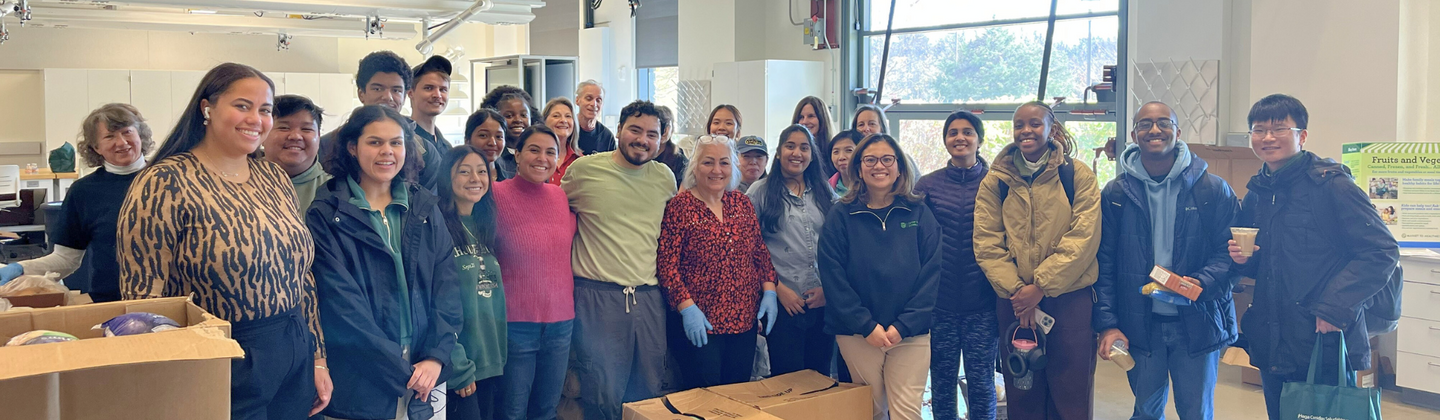


At the Universities at Shady Grove, the Manna Choice Market at the Grove and the USG Mobile Market provide students and the broader community with essential access to food. For students who volunteer at the markets, it’s a chance to give back while building connections, practicing leadership, and preparing for future careers. For Marielle Therese Amigos, a fourth-semester nursing student at the University of Maryland, Baltimore, these experiences have shaped both her personal and professional journey.

“Volunteerism is very important to me because giving back is one of the values my parents instilled in me,” Marielle explained. Growing up in the Philippines, she witnessed the realities of poverty: children her age working in the streets instead of attending school, families struggling to meet basic needs. Her parents’ stories of their own hardships reinforced a lifelong belief that “helping others is one of the best ways to spread kindness.”
When she began her studies, Marielle wanted service to remain part of her life. As Co-President of Asian Students Inspired to Advance in Nursing and Co-Public Relations Chair for University of Maryland Association of Nursing Students, she knew that the intense demands of the nursing program would make off-campus volunteering difficult. That’s when the USG Mobile Market became the perfect match.
Marielle rallied her peers to volunteer at last month’s Mobile Market to help meet the growing demand for food access—a trend reflected countywide amid ongoing economic challenges. “We get to volunteer and help our community right in the same building where we have our classes,” she said. “It feels good walking into a space where everyone is working together to make someone’s day a little easier.”
The USG Mobile Market is a program supported by the Capital Area Food Bank, providing fresh seasonal fruits, vegetables, and other food items at zero cost to the campus and the local community. USG is also proud to partner with Manna Food Center to offer Manna Choice Market at the Grove, distributing fresh produce and other perishable and nonperishable healthy foods to students, their families, and the broader community.
Marielle’s work with food access connects to her classroom learning, where she’s studied the social determinants of health—how factors like food access, transportation, and safe housing influence a person’s overall wellbeing. Through volunteerism, she sees these concepts come to life.
“It’s easy in healthcare to focus only on a patient’s immediate illness,” Marielle reflected. “But what happens when they go home? Will they have access to healthy foods? Will they have transportation to get what they need? Volunteering has helped deepen my understanding of patient-centered care.” She hopes that one day, as a nurse, she’ll be able to refer patients to community resources such as mobile food markets to support their long-term health.
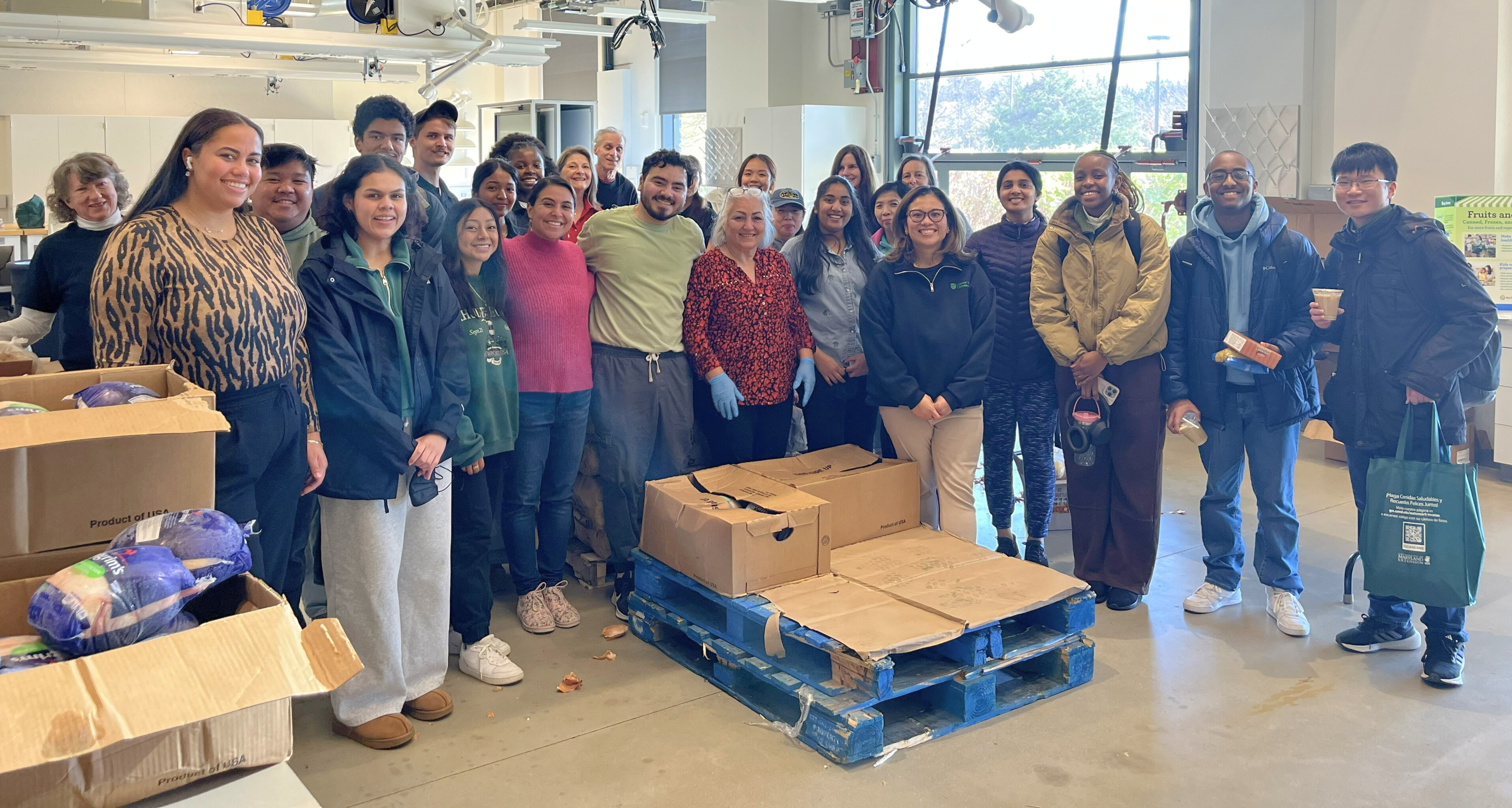
Coordinating student volunteers, partnering with campus organizations, and interacting with individuals facing food insecurity have all helped Marielle develop skills of leadership, communication, empathy, and cultural humility. “I feel more prepared for my future because of the service I’ve done here,” she says. “It’s taught me how to care for people not just clinically, but as whole human beings.”